Silent
Silent provides the tools for seekers to recognize their path and enables self-reliance for spiritual and magickal growth.
Seekers gain insight from his work and find their inner calm from his ability to listen and help others reflect.


The first wave of psychedelics promised healing.
The second wave promised access.
The third wave, if it arrives at all, will be judged by whether we were willing to grow up.
We are now living in the gap between promise and proof.
In the last several years, psychedelics have moved from the margins into boardrooms, legislatures, clinics, and capital markets. This shift was inevitable. It was also premature. Substances once held within lineage, training, and ritual container were fast-tracked into systems optimized for speed, scale, and return. The result is a field rich in aspiration and thin on infrastructure.
That is not a moral failure. It is a structural one.
What we are witnessing now, regulatory hesitation, insurer resistance, uneven outcomes, and mounting ethical concern, is not backlash. It is the system asking a simple question:
Are you ready to be responsible for what you are unleashing?
Psychedelics Are Not the Medicine, They Are the Catalyst
The most persistent category error in modern psychedelic discourse is the belief that the experience itself heals. It does not. Experiences destabilize. Sometimes they open. Sometimes they fracture. Sometimes they do both.
Healing, when it occurs, happens after the experience, through meaning-making, integration, relational support, and ethical containment. Research increasingly supports this view, emphasizing the role of preparation, integration, and therapeutic alliance over pharmacology alone .
Yet integration is still treated as optional, underfunded, or outsourced to the individual. This is not naïveté. It is negligence.
[Opinion] A system that delivers destabilizing experiences without guaranteed integration is not offering care, it is externalizing risk.
Access Without Standards Is Extraction
Calls for expanded access dominate public conversation. Less visible are the standards required to support that access responsibly: training requirements, supervision models, adverse event reporting, scope-of-practice clarity, and accountability pathways.
Other high-impact fields, medicine, aviation, engineering, did not mature by trusting intention alone. They matured by codifying responsibility.
Psychedelics will be no different.
Policy makers sense this. Insurers certainly do. Coverage decisions are stalling not because the data is uninteresting, but because the delivery systems are incoherent. Variability in facilitator training, outcomes measurement, and post-session care makes risk impossible to price responsibly .
[Opinion] If psychedelics become billable before they become governable, we will repeat every failure of extractive wellness capitalism, faster and louder.
Training Is Not a Weekend Certificate
One of the quiet crises of the field is practitioner overconfidence paired with undertraining. Charisma has been mistaken for competence. Personal experience mistaken for a qualification. Spiritual insight mistaken for clinical judgment.
Psychedelic facilitation, whether framed as clinical, spiritual, or hybrid, is advanced relational work performed in altered states of consciousness. That demands more training, not less.
Established professional ethics bodies consistently emphasize supervision, ongoing education, and clear referral pathways as foundational to safe practice. Psychedelics should be held to no lower standard.
[Opinion] Anyone unwilling to submit to supervision has no business guiding others through non-ordinary states.
Integration Is a Social Responsibility, Not a Personal Task
We often speak about “doing your integration,” as if meaning-making were a solo project. It is not. Integration is relational, cultural, and longitudinal. It unfolds over time, in context, and often in community.
This is where spiritual direction, peer support, and long-form accompaniment matter, not as aesthetic add-ons, but as stabilizing forces. Without them, insights curdle into confusion, inflation, or despair.
The data on psychological harm following poorly integrated psychedelic experiences is growing, though still underreported due to stigma and lack of standardized tracking . Absence of evidence is not evidence of absence.
The Question 2026 Will Ask
By 2026, the conversation will shift decisively. The question will no longer be “Do psychedelics work?”
It will be “Can the systems surrounding them be trusted?”
That question will be answered not by marketing, but by infrastructure:
· Clear standards of care
· Credentialing and scope definition
· Mandatory integration pathways
· Adverse event reporting and transparency
· Ethical limits on scale and commercialization
Those unwilling to engage this work will be left behind, not by ideology, but by reality.
A Call to Stewardship
This is the work after the work.
It is quieter than revelation. Slower than disruption. Less glamorous than liberation narratives. And infinitely more important.
The future of psychedelics will not be decided by substances, but by the people and systems entrusted with them.
The field does not need more believers.
It needs stewards.
If you are a practitioner: demand better training and supervision, especially from yourself.
If you are a policy maker: resist pressure to move faster than standards allow.
If you are an insurer or institutional leader: insist on integration, accountability, and outcomes before coverage.
If you are building in this space: design for care, not just access.
The medicine is not the molecule.
The medicine is the container we are willing, or unwilling, to build around it.
ABOUT THE AUTHOR
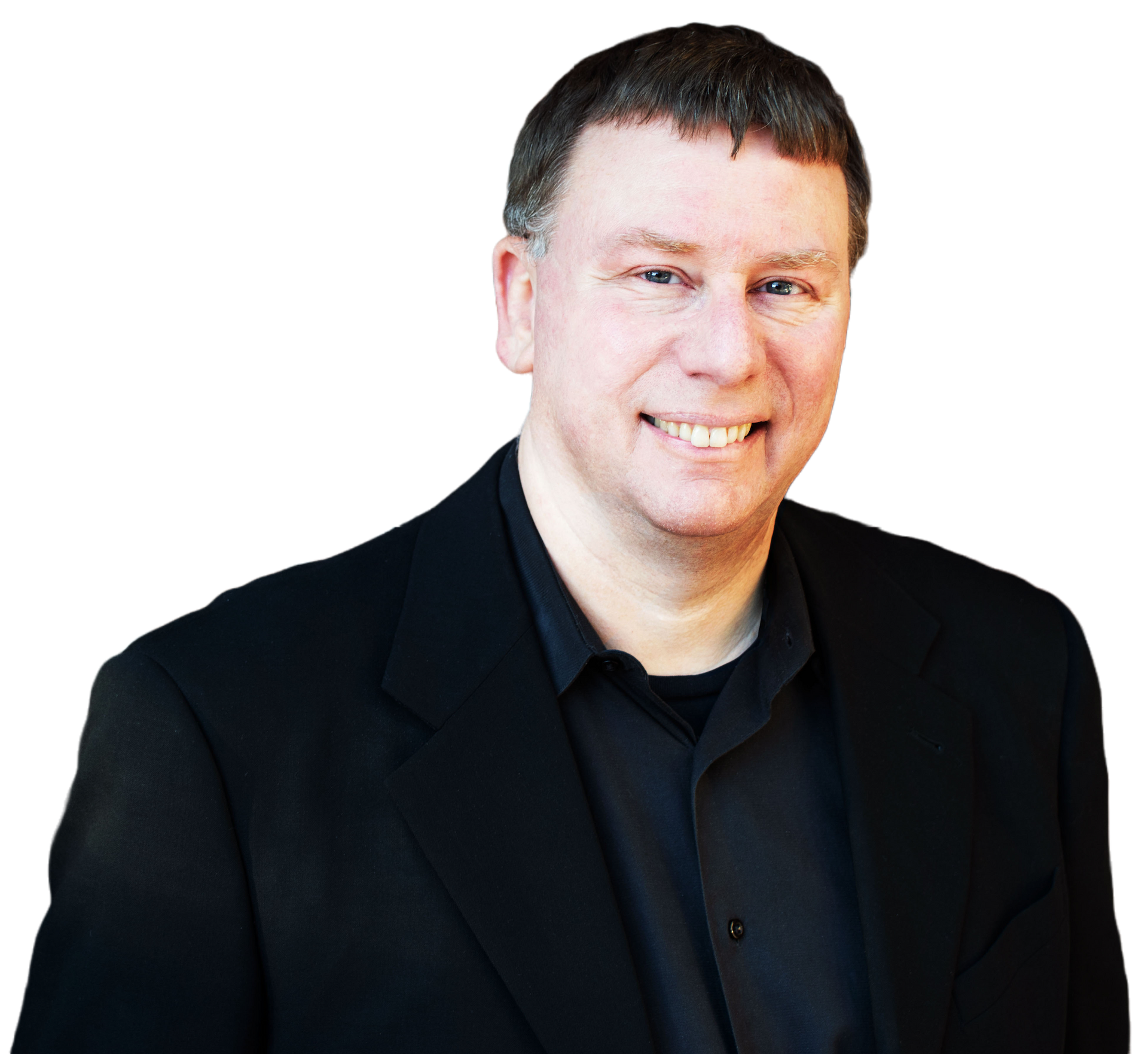
Silent
Silent provides the tools for seekers to recognize their path and enables self-reliance for spiritual and magickal growth.
Seekers gain insight from his work and find their inner calm from his ability to listen and help others reflect.