Silent
Silent provides the tools for seekers to recognize their path and enables self-reliance for spiritual and magickal growth.
Seekers gain insight from his work and find their inner calm from his ability to listen and help others reflect.

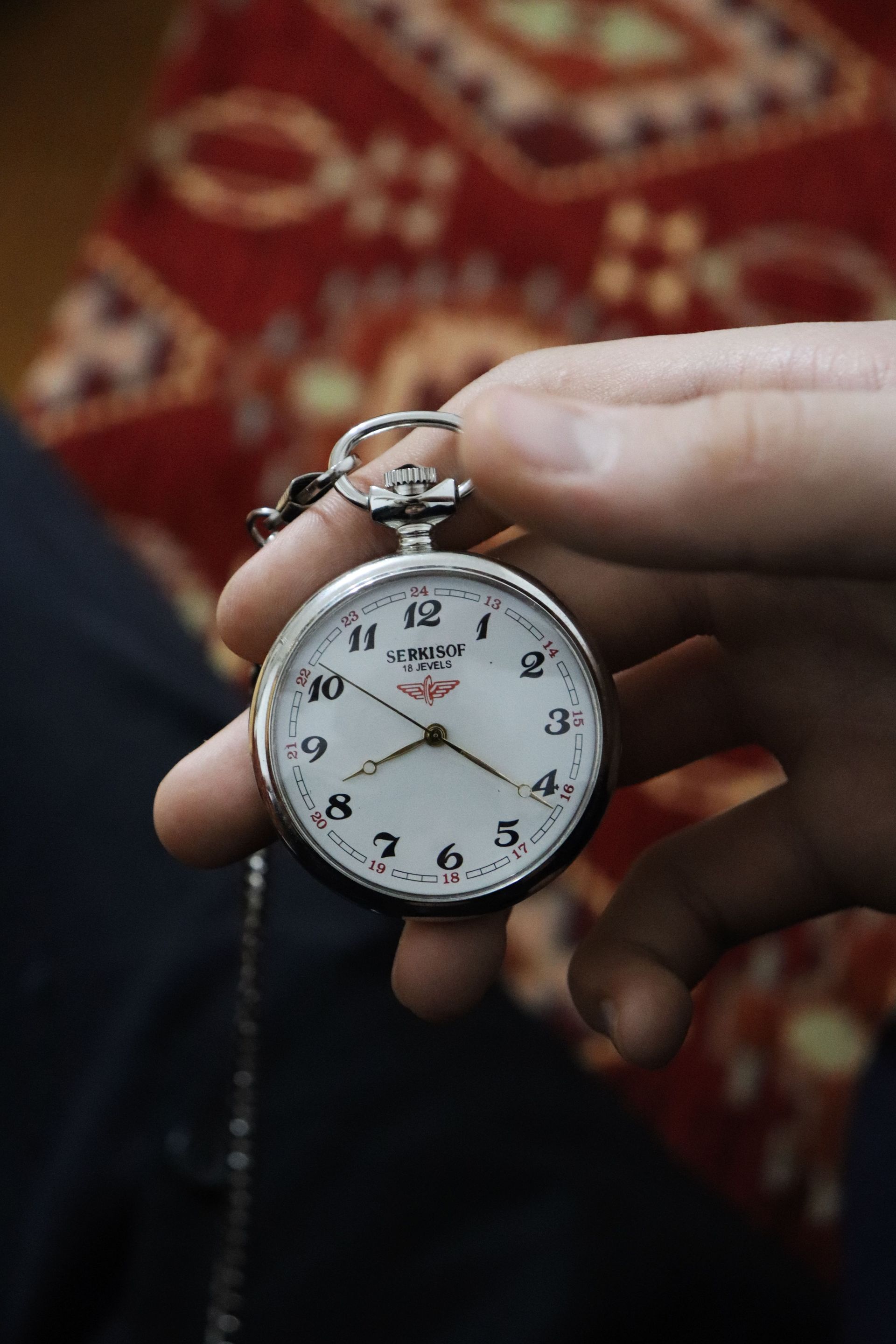
At 9:15 on Wednesday morning, organisations across Wales were invited to stop and stand in silence. The time was chosen with care. On 21 October 1966, shortly after 9:15, a collapsing colliery spoil tip reached Pantglas Junior School in Aberfan as the day's lessons were starting. A hundred and forty-four people died: 116 children and 28 adults. This week was the sixtieth anniversary. King Charles and Prince William laid wreaths in the memorial garden that now stands on the school's site, and survivors spoke in the village.
Sixty years on, what the country offers is a minute. A minute is almost nothing. Most of us take longer choosing what to watch. Yet nobody has found a better thing to do, and I want to ask what the minute is for.
It does not heal anyone. I cannot tell you what it does for the people who lost a child or a classmate that morning, and they would be the ones to ask. One survivor, Jeff Edwards, said this week that the date "is forever etched into our memory." A minute of silence doesn't give that memory to anyone who lacks it.
What it does for the rest of us is narrower and harder. It gets a whole country to agree, on purpose and at the same time, that the clock stopped at 9:15 for some families and has never been started again for them. Everyone else gets to keep going. We stop for sixty seconds so everyone shares the stopping.
I think this is what ritual is for, and why so much of it has been mistaken for theater. A ritual is not a performance of feeling. Feeling is unreliable on schedule. A ritual is a container with a fixed time, a fixed place and a fixed gesture, so that remembering does not depend on your mood. At 9:15 you are not required to feel anything. You are required to stop. If the feeling comes, it arrives inside a room the community built before you walked in.
That is also why a ritual has to cost something. The minute works because it interrupts. A classroom goes quiet. An office stops typing. A rite that interrupts nothing in your day changes nothing.
In my own practice I teach kispum, the Mesopotamian custom of pouring water for the dead, so that the relationship with them continues instead of ending. The logic is the same as the minutes. You do not pour water because the dead are thirsty. You pour it because the living need a place and a time to say that the dead still count.
The Hávamál, the old Norse sayings attributed to Odin, puts it more bluntly. Cattle die, kin die, and you will die. What does not die, it says, is what is said of the dead afterward. A fixed minute, repeated, decides what gets said. In Aberfan, the answer is that 144 people are not a statistic or a warning to engineers. They are the reason a nation goes quiet.
You probably do not have a national disaster to mark. You do have something you have never stopped for. A person. A year. A version of yourself that ended without anyone noticing.
So ask it plainly. Is there anything in your life that has never been given a minute? And if not, is it because that thing is finished, or because you suspect that once you stop, it will not feel like a minute?
Stay with that before you answer.
Samhain is a week away, so this is a natural time to try it. Choose one person or one loss. Choose a time you can repeat: the same hour each day for a week, or the same date each year.
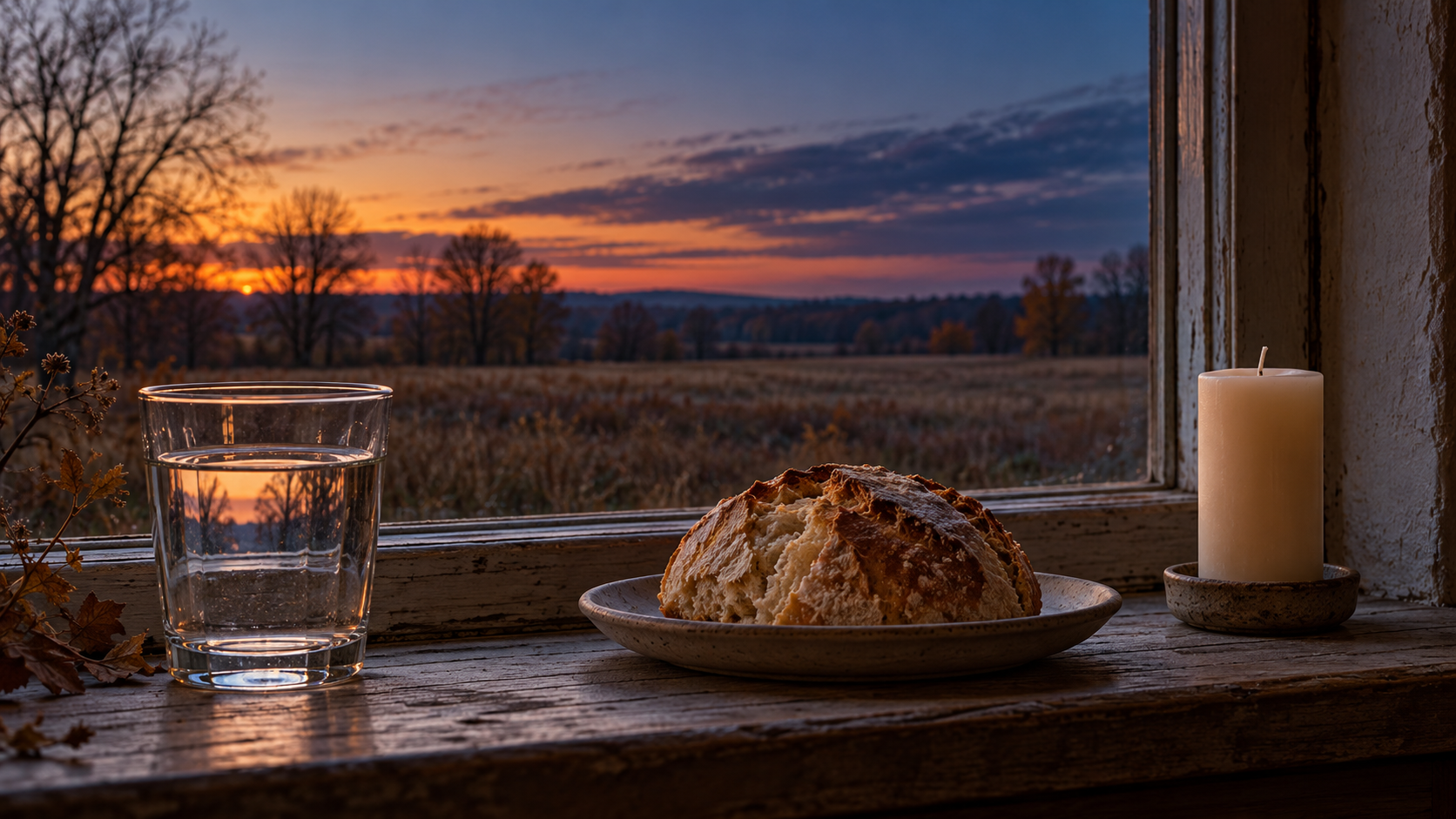
Set a glass of water on a table. Put your phone in another room. For one minute, say nothing. When the minute ends, pour the water onto soil or a plant, not down a drain. Do not judge how it went. Write down the time and nothing else. The only thing worth noticing is whether you come back to it on day two.
This is a spiritual practice, not grief treatment. If the minute opens something heavier than you can carry, a counselor or a grief group is the right companion, and there is no shame in needing one.
Picture one minute a year, kept for sixty years. It comes to an hour, once added up. That hour is what one community decided it owed to 144 people. What hour do you owe, and when will you begin it?
— Silent
ABOUT THE AUTHOR

Silent
Silent provides the tools for seekers to recognize their path and enables self-reliance for spiritual and magickal growth.
Seekers gain insight from his work and find their inner calm from his ability to listen and help others reflect.