Silent
Silent provides the tools for seekers to recognize their path and enables self-reliance for spiritual and magickal growth.
Seekers gain insight from his work and find their inner calm from his ability to listen and help others reflect.

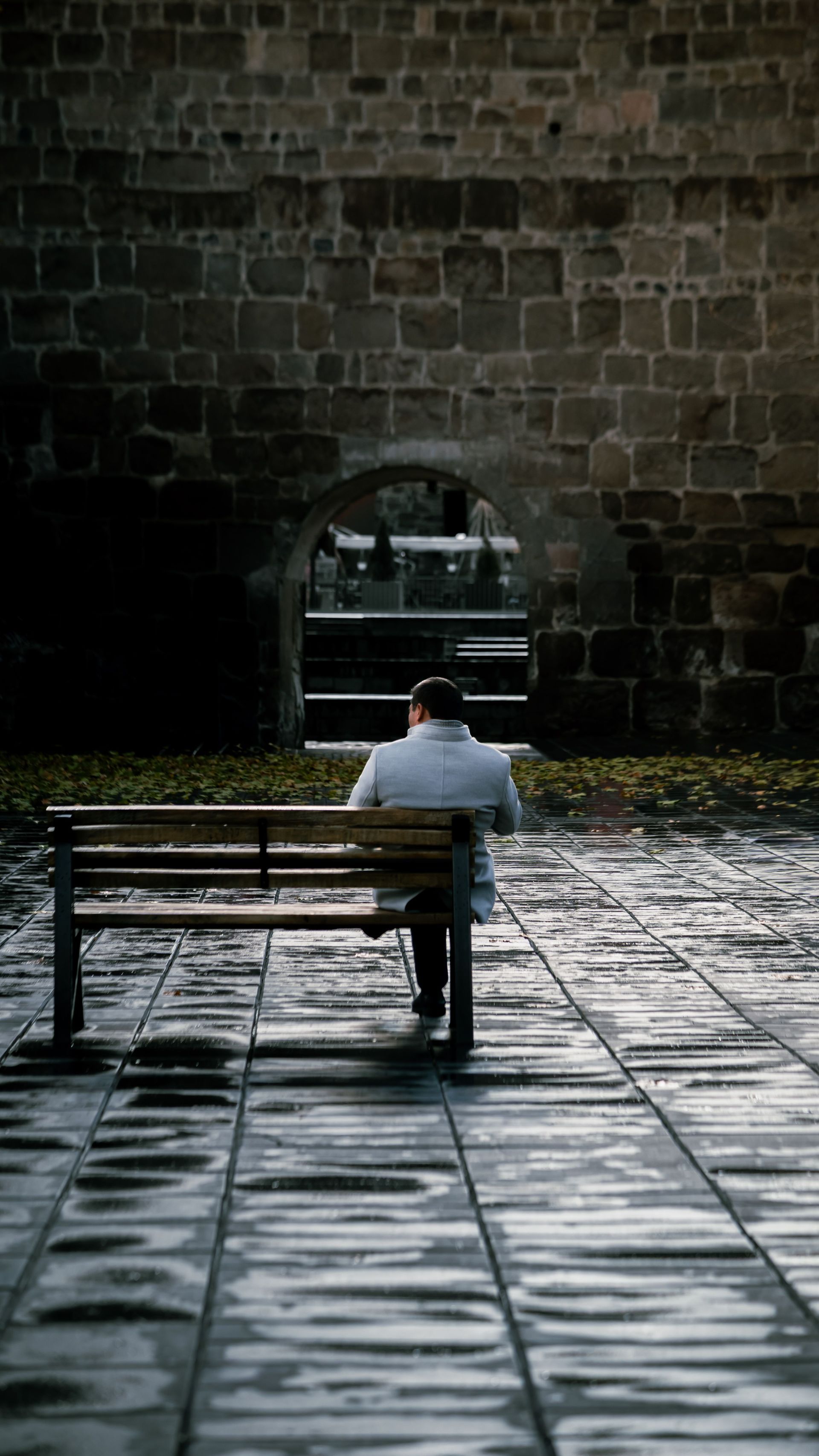
Thanksgiving is Thursday. Millions of Americans will sit down at crowded tables, and some of them will be the loneliest people in the room.
That is not a guess about your family. It is what a study published on Tuesday suggests. Researchers at the Université de Bordeaux drew on a French cohort that followed 3,777 older adults from 1988 to 2018. Over eight years, participants aged 65 and older were asked again and again whether they felt lonely. About half never said yes. About a third said yes once or twice. About one in six said yes at three or four visits. The researchers then followed the 1,540 people still eligible for another twenty years. Those whose loneliness persisted had a 38 percent higher risk of dementia than those who were never lonely. Those who were lonely now and then showed no meaningful increase.
One more detail stopped me. Nearly 30 percent of the chronically lonely did not live alone. They had a spouse, a family, a household. The lead author, Yvanna Simon, warned against treating living arrangements as a stand-in for connection.
The study has limits. It is observational, so it shows association, not cause. It measured loneliness with a single question and cannot tell us what anyone's relationships were actually like. I would not build a theology on it. But it draws a careful line through something we usually lump together, and that line is worth walking.
We talk about loneliness as if it were one thing, and always bad news. It isn't. Loneliness that comes and goes may simply be part of being a creature that needs others. It is weather. It rolls in after a move, a death, a quarrel, a long November evening, and then it moves on. Feeling it does not mean something in you is broken. It may mean something in you is working.
Chronic loneliness is something else. It is climate: the condition you stop noticing because it has become the air.
Discernment begins here. The old question in spiritual direction is not only "What am I feeling?" but "What is this feeling telling me, and how do I know?" Passing loneliness is often a messenger. It says you miss someone. It says you have let a friendship go quiet, or that you were made for company and have been living as if you weren't. A messenger like that deserves to be heard, not numbed with another hour of scrolling.
The trouble with climate is that it stops sending messages. It becomes the story: I am the kind of person nobody really knows. That is not a message. It is a verdict, and verdicts are hard to question because they sound like the truth.
The Hávamál, that plain-spoken book of Norse household counsel, has a stanza I return to often. In paraphrase: if you have a friend you trust, visit them often, because brushwood and tall grass grow over a road no one walks.
I love that the poem doesn't blame the friend or the traveler. It blames the grass. Most friendships don't end in betrayal. The road simply goes unwalked through one busy season and then another, until the way back looks like work.
Elsewhere, the same poem says that one person is another's joy. That claim is older than any study and doesn't need one. Still, it is good to see the science leaning the same way.
So here is what I would ask if you were sitting across from me.
When you are lonely, which kind is it? Weather passing through, or climate you have mistaken for your personality?
And harder: at the full table next week, is someone there lonely in a way no one has noticed? Could that someone be you?
I won't answer that for you. Sit with it before the noise and the platters arrive.
Before Thursday, take ten quiet minutes. Write down the names of three people whose road has grown over. Not the ones you fell out with. The ones you simply stopped walking toward.
Choose one. Send a short message, not an essay: "I thought of you this week. How are you, really?" Then let it go and see what comes back.
If you will be at a gathering, choose one person at the table and give them ten unhurried minutes of your full attention. No advice. No fixing. Ask one real question and listen to the whole answer.
This is a practice for reflection, not a clinical tool. If loneliness has settled heavily on you or someone you love, or if memory and thinking seem to be changing, a physician, counselor, or trusted clergyperson is the right company, and asking is no failure.
Weather passes on its own. Climate changes only when someone starts walking the road again. Whose door waits at the end of the path you have let grow over?
— Silent
ABOUT THE AUTHOR

Silent
Silent provides the tools for seekers to recognize their path and enables self-reliance for spiritual and magickal growth.
Seekers gain insight from his work and find their inner calm from his ability to listen and help others reflect.